
Let’s be real for a second: there is nothing—and I mean nothing—more heartbreaking than ordering a pair of shoes online, waiting eagerly for the delivery truck, tearing open the box, and then realizing… they don’t fit.
You try to squeeze your foot in. You do the little wiggle dance. You try to convince yourself that “maybe my feet are just swollen today.” But deep down, you know the truth.
They are too tight. Before you print that return label and tape the box back up in defeat, stop! Tight shoes are not necessarily a lost cause.
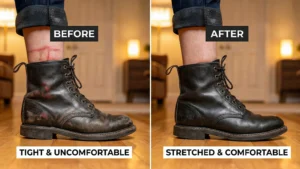
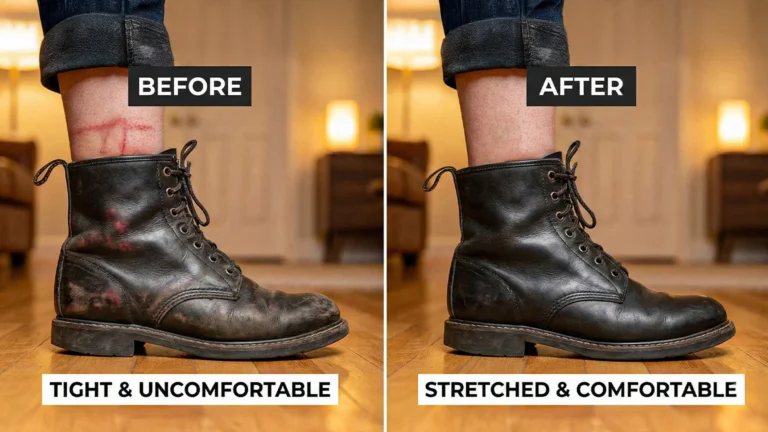
Whether it’s a stiff pair of new work boots or those canvas sneakers that just need a little extra wiggle room, you can actually customize the fit at home. Here is how to fix tight-fitting shoes without ruining them (or your feet).
1. The Thick Sock and Hairdryer Method
This is the classic DIY method for leather shoes. Put on the thickest pair of socks you own (or two pairs of normal socks) and jam your feet into the shoes. It will be uncomfortable—embrace the squeeze.
Next, take a hairdryer and blast the tight areas of the shoe with medium heat for about 20 to 30 seconds. Keep your foot moving/wiggling while you do this. The heat loosens the leather, and the socks force it to expand.
- Pros: Free.
- Cons: Heat can dry out or crack certain leathers if you aren't careful; doesn't work well on synthetic materials.
2. The Freezer Trick
Science time: Water expands when it freezes. For this method, fill two Ziploc bags about halfway with water. Squeeze out all the air and seal them tight (double bagging is safer).
Place the bags inside your shoes, making sure the water bag is nestled into the toe box or wherever the shoe is tight. Put the shoes in the freezer overnight. As the water turns to ice, it expands and gently stretches the shoe.
- Pros: Good for tough non-leather materials.
- Cons: If the bag leaks, your shoes are ruined. Plus, putting shoes next to your frozen peas is a bit weird.
3. The Professional Solution: Eagle Boot Stretcher Spray
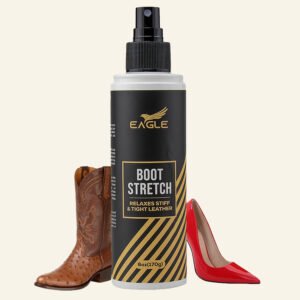
If you don’t want to risk heat damage or water leaks, the smartest and most effective route is using a dedicated stretching fluid. This is where the Eagle Boot Stretcher Spray is a total gamechanger.
Unlike the freezer or hairdryer methods, which force the shoe to change shape physically, this spray actually relaxes the material fibers chemically.
- Versatility: Most DIY hacks only work on leather. Eagle Boot Stretcher Spray is designed for leather, suede, canvas, and more. It’s a one-stop shop for your entire shoe rack.
- It Conditions While It Stretches: This spray acts as a premium leather softener. It penetrates deep into stiff leather boots or dress shoes to soften them up, preventing that "breaking in" period that usually results in blisters.
- Quick-Acting: You don't need to leave your shoes in the freezer overnight. Just spray the inside of the shoe generously, put on a pair of socks, and walk around.
If you have a pair of heavy-duty work boots or fashion boots that are pinching your toes, this spray specifically targets those stiff fibers to create room exactly where you need it.
4. Use a Shoe Stretcher Tool
For the ultimate fit, combine Eagle Boot Width Stretcher with a mechanical boot stretcher (those wooden with the turning knob).
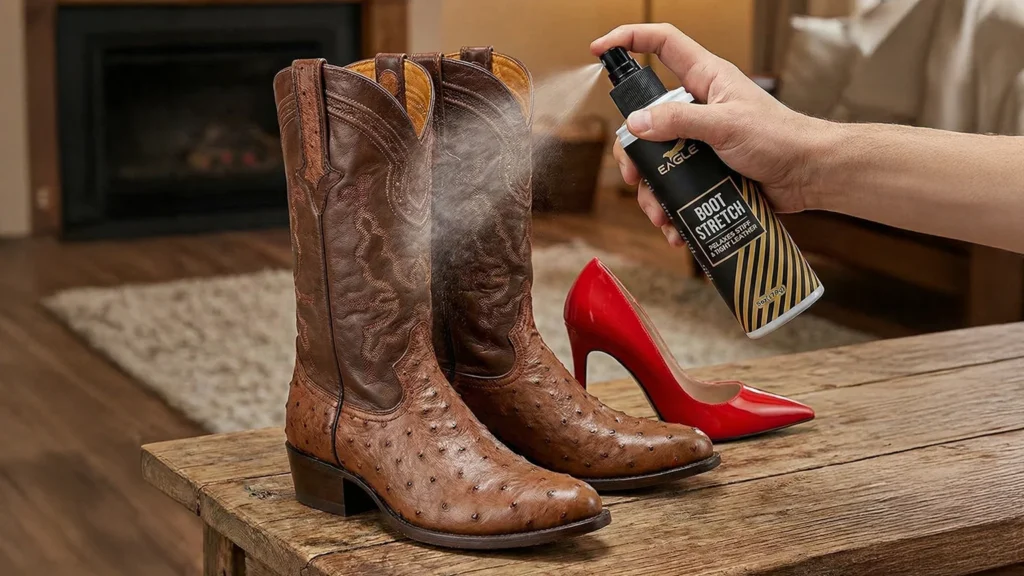
Spray the spray inside the boot to soften the material, insert the mechanical stretcher, and crank it until it’s snug. Leave it for 24 hours. The spray allows the fibers to relax so the mechanical stretcher can do its job without tearing the material.
Conclusion
A tight shoe doesn’t have to mean a return or a life of blisters. While home hacks like ice and heat can work in a pinch, using a dedicated softener like Eagle Boot Stretcher Spray ensures you are stretching your footwear safely and effectively.
Whether you are breaking in stiff leather boots or loosening up canvas sneakers, a little spritz can turn a painful walk into a comfortable stride.
Frequently Asked Questions
Does shoe stretcher spray work on materials other than leather?
Yes! While many sprays are leather-only, the Eagle Boot Stretcher Spray is versatile and works effectively on leather, suede, canvas, and various other materials.
How long does it take for the spray to work?
It is a quick-acting formula. For minor adjustments, you can often feel relief immediately after spraying and walking around in the shoes. For significant stretching, leaving the shoes on (or using a stretcher tool) overnight yields the best results.
Will the spray stain or ruin my shoes?
This formula is designed to penetrate and soften without damaging the shoe. However, as with any product used on suede or nubuck, it is always recommended to test a small, inconspicuous area first just to be safe
Can I use this on heavy work boots?
Absolutely. In fact, it acts as a leather softener, making it perfect for breaking in stiff, heavy-duty work boots that are causing hot spots or blisters.
Do I need a mechanical shoe stretcher tool to use the spray?
Not necessarily. For a moderate stretch, you can simply spray the solution inside the shoe and wear them with thick socks. The spray softens the material, and your foot acts as the mold.
However, for very tight shoes, using a mechanical tool alongside the spray will give you the most dramatic results.
Let’s be real for a second: there is nothing—and I mean nothing—more heartbreaking than ordering a pair of shoes online, waiting eagerly for the delivery truck, tearing open the box, and then realizing… they don’t fit.
You try to squeeze your foot in. You do the little wiggle dance. You try to convince yourself that “maybe my feet are just swollen today.” But deep down, you know the truth.
They are too tight. Before you print that return label and tape the box back up in defeat, stop! Tight shoes are not necessarily a lost cause.
Whether it’s a stiff pair of new work boots or those canvas sneakers that just need a little extra wiggle room, you can actually customize the fit at home. Here is how to fix tight-fitting shoes without ruining them (or your feet).
1. The Thick Sock and Hairdryer Method
This is the classic DIY method for leather shoes. Put on the thickest pair of socks you own (or two pairs of normal socks) and jam your feet into the shoes. It will be uncomfortable—embrace the squeeze.
Next, take a hairdryer and blast the tight areas of the shoe with medium heat for about 20 to 30 seconds. Keep your foot moving/wiggling while you do this. The heat loosens the leather, and the socks force it to expand.
- Pros: Free.
- Cons: Heat can dry out or crack certain leathers if you aren't careful; doesn't work well on synthetic materials.
2. The Freezer Trick
Science time: Water expands when it freezes. For this method, fill two Ziploc bags about halfway with water. Squeeze out all the air and seal them tight (double bagging is safer).
Place the bags inside your shoes, making sure the water bag is nestled into the toe box or wherever the shoe is tight. Put the shoes in the freezer overnight. As the water turns to ice, it expands and gently stretches the shoe.
- Pros: Good for tough non-leather materials.
- Cons: If the bag leaks, your shoes are ruined. Plus, putting shoes next to your frozen peas is a bit weird.
3. The Professional Solution: Eagle Boot Stretcher Spray
If you don’t want to risk heat damage or water leaks, the smartest and most effective route is using a dedicated stretching fluid. This is where the Eagle Boot Stretcher Spray is a total game changer.
Unlike the freezer or hairdryer methods, which force the shoe to change shape physically, this spray actually relaxes the material fibers chemically.
- Versatility: Most DIY hacks only work on leather. Eagle Boot Stretcher Spray is designed for leather, suede, canvas, and more. It’s a one-stop shop for your entire shoe rack.
- It Conditions While It Stretches: This spray acts as a premium leather softener. It penetrates deep into stiff leather boots or dress shoes to soften them up, preventing that "breaking in" period that usually results in blisters.
- Quick-Acting: You don't need to leave your shoes in the freezer overnight. Just spray the inside of the shoe generously, put on a pair of socks, and walk around.
If you have a pair of heavy-duty work boots or fashion boots that are pinching your toes, this spray specifically targets those stiff fibers to create room exactly where you need it.
4. Use a Shoe Stretcher Tool
For the ultimate fit, combine Eagle Boot Width Stretcher with a mechanical boot stretcher (those wooden with the turning knob).
Spray the spray inside the boot to soften the material, insert the mechanical stretcher, and crank it until it’s snug. Leave it for 24 hours. The spray allows the fibers to relax so the mechanical stretcher can do its job without tearing the material.
Conclusion
A tight shoe doesn’t have to mean a return or a life of blisters. While home hacks like ice and heat can work in a pinch, using a dedicated softener like Eagle Boot Stretcher Spray ensures you are stretching your footwear safely and effectively.
Whether you are breaking in stiff leather boots or loosening up canvas sneakers, a little spritz can turn a painful walk into a comfortable stride.
Frequently Asked Questions
Does shoe stretcher spray work on materials other than leather?
Yes! While many sprays are leather-only, the Eagle Boot Stretcher Spray is versatile and works effectively on leather, suede, canvas, and various other materials.
How long does it take for the spray to work?
It is a quick-acting formula. For minor adjustments, you can often feel relief immediately after spraying and walking around in the shoes. For significant stretching, leaving the shoes on (or using a stretcher tool) overnight yields the best results.
Will the spray stain or ruin my shoes?
This formula is designed to penetrate and soften without damaging the shoe. However, as with any product used on suede or nubuck, it is always recommended to test a small, inconspicuous area first just to be safe
Can I use this on heavy work boots?
Absolutely. In fact, it acts as a leather softener, making it perfect for breaking in stiff, heavy-duty work boots that are causing hot spots or blisters.
Do I need a mechanical shoe stretcher tool to use the spray?
Not necessarily. For a moderate stretch, you can simply spray the solution inside the shoe and wear them with thick socks. The spray softens the material, and your foot acts as the mold.
However, for very tight shoes, using a mechanical tool alongside the spray will give you the most dramatic results.